Puppy Education: Preparing for Your New Great Dane or Poodle

Welcoming a new puppy into your home is an exciting adventure, but it also comes with its own set of challenges. Whether you are bringing home a Great Dane or a Poodle, understanding their unique needs and characteristics is essential for a successful transition. This guide will help you prepare for your new furry friend, covering everything from training techniques to socialization tips.

Understanding Your New Puppy
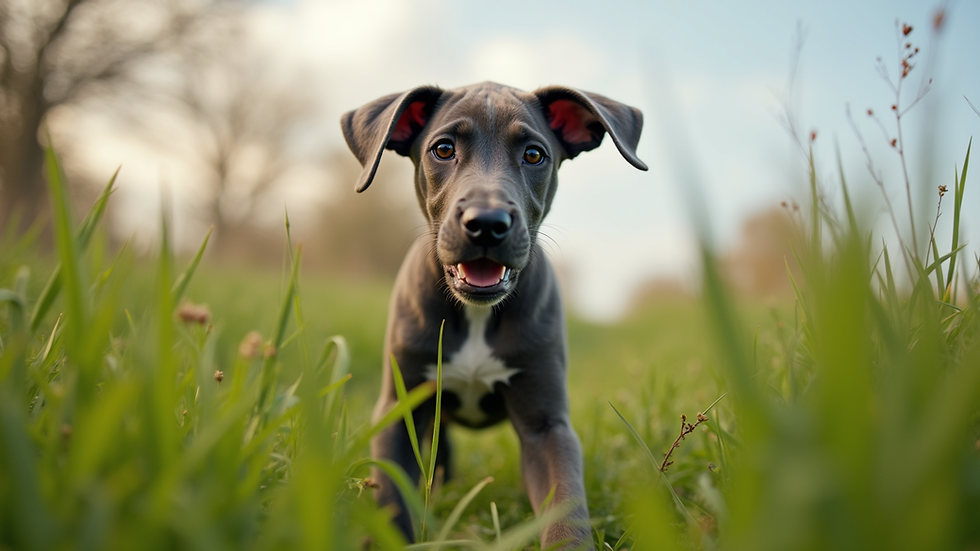
The Great Dane
Great Danes are known for their impressive size and gentle temperament. Despite being one of the largest dog breeds, they are often referred to as "gentle giants." Here are some key characteristics:
Temperament: Great Danes are friendly, affectionate, and good with children. They tend to be social and enjoy being around people.
Exercise Needs: While they are not as hyperactive as some smaller breeds, Great Danes still require regular exercise. Daily walks and playtime are essential to keep them healthy and happy.
Training: Early training is crucial for Great Danes. Their size can make them difficult to handle if they are not properly trained from a young age.
The Poodle
Poodles come in three sizes: standard, miniature, and toy. They are known for their intelligence and versatility. Here are some characteristics to consider:
Temperament: Poodles are highly intelligent and eager to please, making them relatively easy to train. They are also known for their playful and energetic nature.
Exercise Needs: Poodles require regular exercise to stay mentally and physically stimulated. Activities like fetch, agility training, and swimming are great options.
Training: Due to their intelligence, Poodles thrive on training and mental challenges. Early socialization and obedience training are essential.
Preparing Your Home
Creating a Safe Space
Before bringing your new puppy home, it’s important to create a safe and comfortable environment. Here are some steps to take:
Puppy-proof your home: Remove any hazardous items, such as electrical cords, toxic plants, and small objects that could be swallowed.
Designate a sleeping area: Choose a quiet spot where your puppy can feel secure. A comfortable bed or crate can provide a safe retreat.
Gather supplies: Make sure you have the essentials, including food and water bowls, puppy food, toys, grooming tools, and a collar with ID tags.
Choosing the Right Food
Nutrition plays a vital role in your puppy's growth and development. Consult your veterinarian for recommendations on the best food for your Great Dane or Poodle. Look for high-quality puppy food that meets their specific needs.
Training Your Puppy
Basic Commands
Training your puppy should start as soon as they arrive home. Teaching basic commands is essential for their safety and your peace of mind. Focus on the following commands:
Sit: A fundamental command that helps establish control.
Stay: Useful for keeping your puppy in one place.
Come: Essential for recall, especially in outdoor settings.
Socialization
Socialization is critical for both Great Danes and Poodles. Exposing your puppy to various environments, people, and other animals will help them develop into well-adjusted adults. Here are some tips:
Puppy classes: Enroll your puppy in a local training class to meet other dogs and learn basic skills.
Playdates: Arrange playdates with other vaccinated puppies to encourage positive interactions.
Public outings: Take your puppy to parks, pet-friendly stores, and other public places to expose them to new experiences.
Addressing Behavioral Issues
Common Challenges
Both Great Danes and Poodles can exhibit behavioral issues if not properly trained or socialized. Here are some common challenges and how to address them:
Jumping: Teach your puppy to greet people calmly by rewarding them for keeping all four paws on the ground.
Barking: Identify the cause of excessive barking and address it through training and desensitization.
Chewing: Provide appropriate chew toys and redirect your puppy's attention when they start chewing on furniture or shoes.
Positive Reinforcement
Using positive reinforcement is one of the most effective training methods. Reward your puppy with treats, praise, or playtime when they exhibit desired behaviors. This approach encourages them to repeat those behaviors in the future.
Grooming Your Puppy
Grooming Needs
Both Great Danes and Poodles have unique grooming requirements. Here’s what to keep in mind:
Great Danes: Their short coat requires minimal grooming, but regular brushing will help reduce shedding. Bathing should be done as needed.
Poodles: Poodles require regular grooming to maintain their curly coat. Schedule professional grooming every 4-6 weeks and brush them several times a week to prevent matting.
Bathing and Nail Care
Regular bathing and nail trimming are essential for your puppy's hygiene. Use a gentle shampoo designed for dogs and be cautious when trimming nails to avoid cutting too close to the quick.
Health Considerations
Regular Vet Visits
Routine veterinary check-ups are crucial for your puppy's health. Schedule vaccinations, parasite prevention, and wellness exams to ensure your puppy is growing healthy and strong.
Common Health Issues
Be aware of breed-specific health issues. Great Danes are prone to hip dysplasia and bloat, while Poodles may face skin issues and ear infections. Regular check-ups can help catch any potential problems early.
Building a Strong Bond
Quality Time
Spending quality time with your puppy is essential for building a strong bond. Engage in activities that both you and your puppy enjoy, such as:
Training sessions: Short, fun training sessions can strengthen your bond while teaching valuable skills.
Playtime: Interactive play with toys can help your puppy burn off energy and deepen your connection.
Cuddling: Don’t underestimate the power of affection. Cuddling and petting can help your puppy feel secure and loved.
Consistency is Key
Being consistent with training, routines, and rules will help your puppy understand what is expected of them. This consistency fosters trust and security in your relationship.
Conclusion
Bringing a new Great Dane or Poodle into your home is a rewarding experience that requires preparation, patience, and commitment. By understanding their unique needs, providing proper training, and ensuring a safe environment, you can set the foundation for a happy and healthy life together. Remember, the journey of puppy education is ongoing, and the effort you put in now will pay off in the long run. Embrace the adventure, and enjoy every moment with your new furry companion!

Comments